Seasonal living5 min read
Ritucharya: living in rhythm with the seasons
As the seasons turn, so do the qualities within us. Ayurveda's seasonal wisdom shows how to adjust food, sleep and movement through the year.

The qualities of nature are always changing — hot and cold, dry and damp, light and heavy. Ayurveda observes that the same qualities rise and fall within us. Ritucharya, “the conduct of the seasons”, is the art of adjusting our habits so that the season outside doesn't tip the balance inside.
The classical texts, written for the Indian subcontinent, describe six seasons. For most of the world it is simplest to think in three: a cool, dry Vata season, a cold, damp Kapha season and a hot Pitta season.
Autumn & early winter — Vata season
Wind, dryness and the first cold days increase the light, mobile qualities of Vata. Many people notice drier skin, lighter sleep or a more scattered mind.
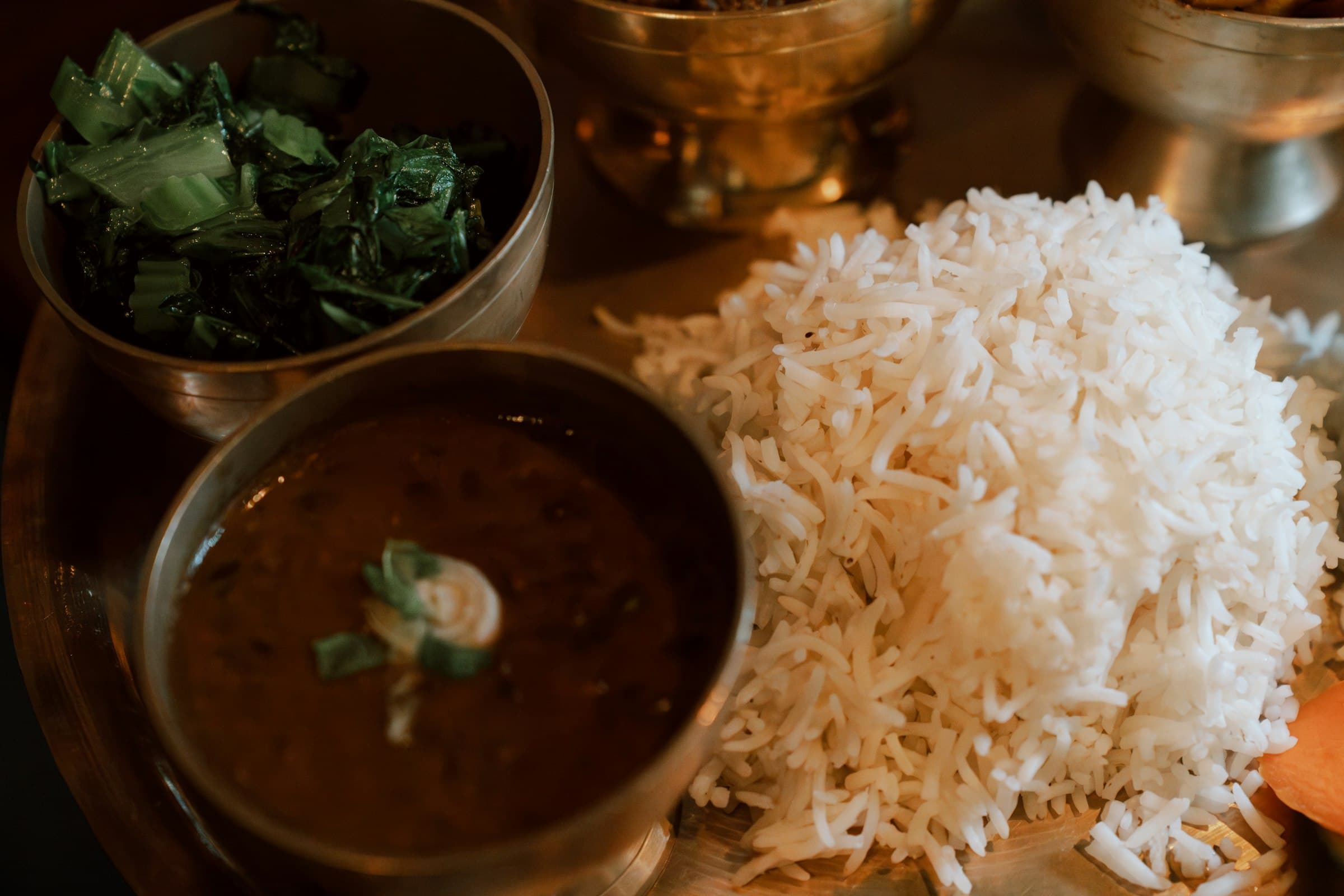
- Favour warm, cooked, slightly oily foods — soups, stews, root vegetables, rice and ghee.
- Keep a steady routine and protect your sleep.
- Make a warm sesame-oil massage part of your day.
- Stay warm, especially the ears, neck and feet, and soften strenuous exercise.
Late winter & spring — Kapha season
As the cold turns damp and the earth thaws, Kapha's heavy, stable qualities accumulate. Spring can bring congestion, sluggishness and a reluctance to get going.
- Lighten your diet: more vegetables, legumes and warming spices such as ginger and black pepper; fewer heavy, sweet and dairy-rich foods.
- Rise early and avoid daytime naps.
- Increase the intensity of your exercise — this is the season to move.
- Try dry brushing (garshana) before your shower to invigorate circulation.
Summer — Pitta season
Heat and intensity build Pitta. Watch for irritability, overheating, skin sensitivity or acidity.
- Favour cooling, hydrating foods: cucumber, melon, leafy greens, coconut and sweet fruit.
- Reduce chilli, alcohol, fried and very sour foods.
- Exercise in the cooler parts of the day — swimming and evening walks are ideal.
- Make room for leisure. Pitta types in particular tend to push too hard.
Mind the junctions
Ayurveda pays special attention to ṛtu sandhi, the fortnight either side of a seasonal change, when the body is most easily unsettled. It is the ideal time to change gradually — shifting your diet and routine a little at a time rather than all at once.
Your constitution shapes which seasons challenge you most. A Pitta type may struggle in high summer, while a Vata type feels autumn most keenly. Knowing your dosha lets you prepare before the season arrives.
Make it personal
Every practice lands differently depending on your constitution. Discover yours in three minutes with Ojas.
Ojas offers educational wellness guidance rooted in Ayurveda. It is not a substitute for professional medical advice, diagnosis or treatment. Always consult a qualified healthcare provider about any medical condition, and before starting herbs or supplements — especially if you are pregnant, nursing or taking medication.