Rest5 min read
Ayurveda for deep, restorative sleep
Nidrā — sleep — is one of the three pillars of life in Ayurveda. A few simple evening rituals can help you fall asleep easily and wake truly rested.
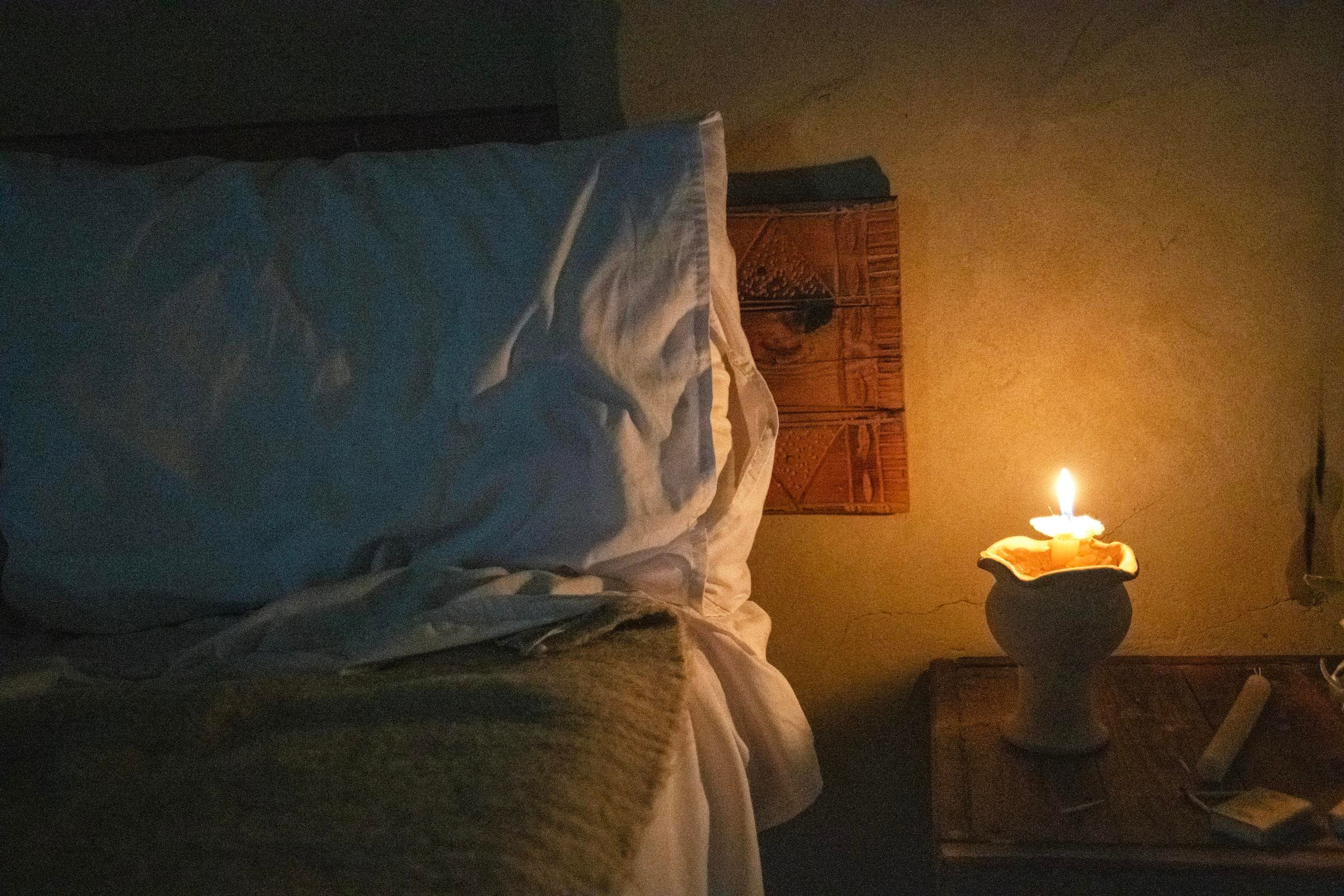
Ayurveda names three supporting pillars of life: āhāra (food), nidrā (sleep) and brahmacharya (the wise use of energy). Of the three, sleep is perhaps the most neglected today. The classical texts are clear: good sleep brings strength, vitality, clarity and contentment, while poor sleep leads in the opposite direction.
Sleep with the clock of nature
In the Ayurvedic view, the hours between 6 and 10 pm carry the heavy, slow qualities of Kapha. This is the natural window for winding down — the body feels heavier and sleep comes easily. After 10 pm, Pitta takes over; if we are still awake, many of us catch a “second wind” that makes it harder to settle.
Going to bed by around 10 pm and rising with or before the sun is one of the most powerful changes you can make.
An evening ritual
- Eat early and light. Finish dinner two to three hours before bed so digestion isn't working through the night.
- Dim the lights. Lower the lights after sunset and put screens away an hour before bed.
- Warm, spiced milk. A small cup of warm milk — dairy or plant — with a pinch of nutmeg and cardamom is a traditional sleep aid.
- Massage the feet. Rub a little warm sesame or coconut oil into the soles of the feet — padābhyanga — to ground energy and calm the mind.
- Write it down. A few minutes of journalling clears the day's thoughts from a busy mind.
Sleep and your dosha
Vata types tend towards light, interrupted sleep and racing thoughts; warmth, regularity and grounding food in the evening help most. Pitta types usually fall asleep easily but may wake in the small hours, warm and thinking about work; a cooler bedroom and an unhurried evening are key. Kapha types sleep deeply and long and may find it hard to wake — for them, rising early and avoiding daytime naps restores energy.
A note on herbs
Herbs such as ashwagandha and brahmi are traditionally used in Ayurveda to support calm and restful sleep. They are powerful plants: speak with a qualified practitioner or your doctor before taking them, especially if you are pregnant, nursing or on any medication. If sleeplessness persists, always seek medical advice.
Make it personal
Every practice lands differently depending on your constitution. Discover yours in three minutes with Ojas.
Ojas offers educational wellness guidance rooted in Ayurveda. It is not a substitute for professional medical advice, diagnosis or treatment. Always consult a qualified healthcare provider about any medical condition, and before starting herbs or supplements — especially if you are pregnant, nursing or taking medication.